

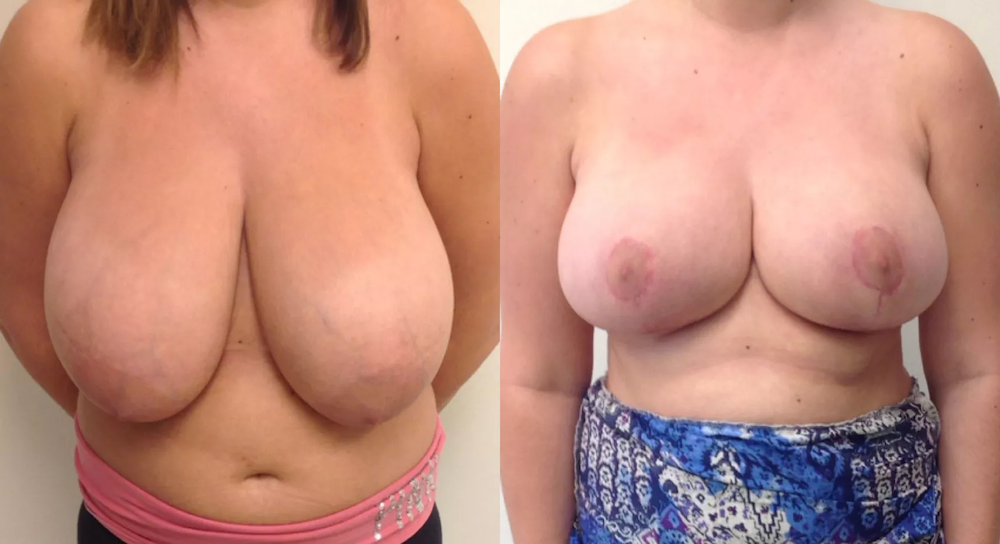
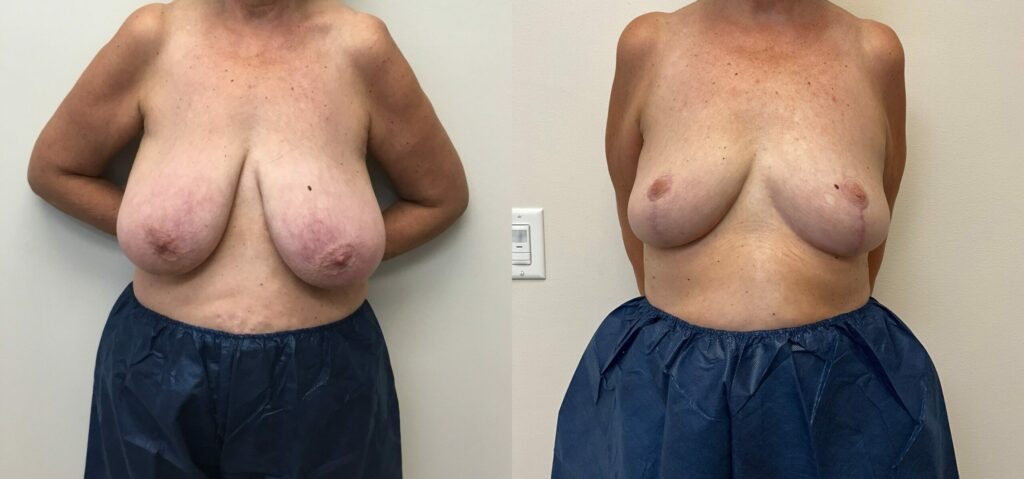
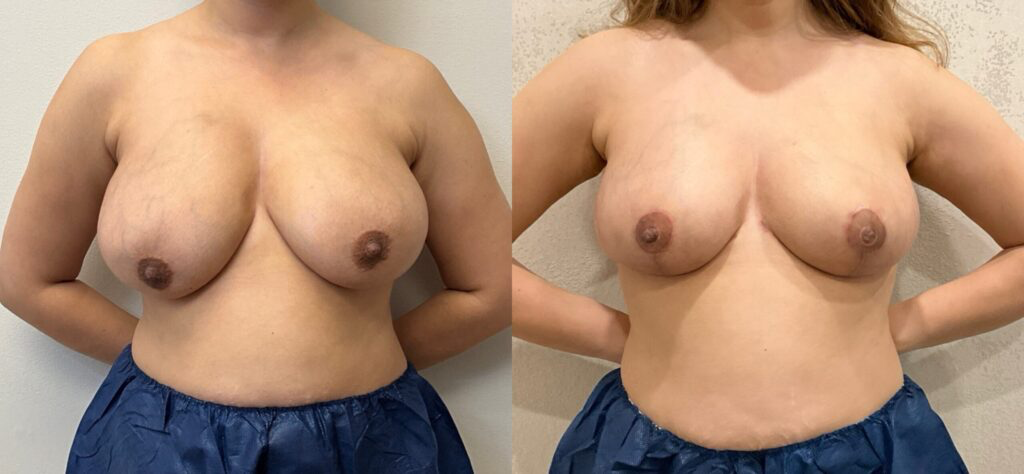
We review your medical history, current medications, vitamins, and supplements before surgery to help you prepare safely. Certain medications or supplements may need to be adjusted or temporarily discontinued before your procedure.

Breast Reduction Surgery in South Barrington
Restore Your Comfort
Your Breast Reduction Surgeon
Dr. Renee Burke is a double board-certified plastic surgeon with advanced training in cosmetic and reconstructive breast surgery. Her approach to breast reduction goes beyond simply removing excess tissue. She carefully considers breast shape, symmetry, nipple position, skin quality, and your overall proportions to create breasts that feel lighter while maintaining a natural, balanced shape.
From your initial consultation through recovery, Dr. Burke and her team provide personalized guidance and attentive care at every stage of your experience.

-
 Compassionate Care
-
Refined Elegance
-
Natural Beauty
Free Yourself From Back Pain
Our skilled surgeon reduces the size and weight of your breasts to restore physical comfort, symmetry, and elegant proportions.
The size of your breasts can weigh you down in more ways than one, causing back pain, neck strain, or self-consciousness. These symptoms can affect how you move, dress, or carry yourself, but you don’t have to endure them. Through our breast reduction surgery in South Barrington, Dr. Renee Burke helps you achieve a lighter, more balanced silhouette that enhances your comfort and confidence.
The Breast Reduction Process

Consultation
Your consultation begins with a detailed conversation about your symptoms, concerns, lifestyle, and goals for surgery. Dr. Burke evaluates your breast size and shape, skin quality, symmetry, nipple position, and overall proportions before developing your surgical plan.
She will also discuss how much reduction may be appropriate, where incisions may be placed, what you can expect from scarring, and whether breast reduction can realistically address the concerns that brought you in. You will have time to ask questions and understand your options before deciding whether surgery is right for you.

Procedure
Breast reduction is typically performed under general anesthesia. Dr. Burke removes carefully planned amounts of excess breast tissue, fat, and skin before reshaping the remaining tissue to create a lighter, more proportionate breast.
The nipple and areola are typically repositioned to complement the newly shaped breast, and enlarged areolas may be reduced when appropriate. Every surgical plan is individualized, with attention to breast shape, symmetry, projection, and your overall frame.

Recovery
Swelling, bruising, tenderness, and tightness are expected during the early stages of recovery and gradually improve as your breasts heal. You will receive detailed instructions about incision care, supportive garments, sleeping, driving, activity, and returning to exercise.
Avoid heavy lifting, pushing, pulling, and strenuous upper-body activity until Dr. Burke clears you to resume them. Gentle walking is encouraged early in recovery to promote healthy circulation. As swelling subsides and your tissues settle, your breasts will gradually develop a softer, more natural shape.
How We Approach Breast Reduction

Precision
Dr. Burke carefully evaluates breast volume, tissue distribution, nipple position, symmetry, and your natural proportions to create a precise surgical plan.
Artistry
Dr. Burke reshapes and repositions the breast tissue with an artistic eye for balance, proportion, symmetry, and a naturally refined final shape.
Compassion
Dr. Burke listens closely to your concerns and goals, providing clear guidance and personalized support throughout your breast reduction experience.
Pre-Care Instructions
Refrain from smoking or using nicotine, as these products can restrict blood flow and interfere with proper healing. Follow Dr. Burke’s instructions regarding alcohol, stay well hydrated, and prioritize nutritious, protein-rich meals as you prepare for surgery.
Arrange for a trusted friend or family member to help during the first few days of recovery. Prepare a comfortable space with supportive pillows, loose-fitting clothing, and everyday essentials within easy reach.
Post-Care Instructions
Keep your dressings clean and dry as directed and carefully follow your postoperative incision-care instructions. Avoid unnecessary pressure or friction and do not apply creams, lotions, or other products to your incisions unless approved by Dr. Burke.
Avoid heavy lifting and strenuous upper-body activity during early recovery or as directed by Dr. Burke. Gentle, frequent walking is encouraged to promote healthy circulation and gradually ease your body back into normal movement.
Attend all scheduled follow-up appointments so Dr. Burke and her team can monitor your incisions, evaluate your healing, and address questions as your recovery progresses. These visits also allow your activity guidelines to be adjusted as your body heals.


Similar Services



Medically reviewed by
Dr. Renee Burke, MD
You may be a candidate if the size and weight of your breasts contribute to neck, shoulder, or back discomfort, bra strap indentations, skin irritation, difficulty exercising, unwanted attention, difficulty finding clothing, or dissatisfaction with your proportions. Candidates should generally be healthy enough for surgery and have realistic expectations about their results. Dr. Burke will evaluate your anatomy, symptoms, medical history, and goals during your consultation.
There is no single amount of tissue that needs to be removed for every patient. Your reduction is planned around your starting breast size, anatomy, symptoms, proportions, and desired outcome. During your consultation, Dr. Burke will discuss what degree of reduction may be realistic while maintaining an attractive breast shape and appropriate blood supply to the tissues.
Breast reduction and breast lift surgery share some techniques because excess skin is removed and the remaining breast tissue is reshaped. During a breast reduction, Dr. Burke also repositions the breast and nipple to create a more lifted, proportionate appearance while reducing excess volume and weight.
In most breast reductions, the nipple and areola are repositioned higher on the breast as excess tissue and skin are removed. The areola may also be reduced in size when appropriate. The exact approach depends on your starting anatomy and the amount of reduction required.
For patients whose symptoms are related to the size and weight of their breasts, reducing excess breast tissue may relieve strain on the neck, shoulders, and back. Some patients also find it easier to exercise, find supportive bras, and participate in everyday activities after healing. Individual symptom improvement varies, so Dr. Burke will discuss what breast reduction may realistically accomplish for you.
Breastfeeding may still be possible after breast reduction, but surgery can affect milk production and the ability to breastfeed. The impact depends partly on your anatomy and surgical technique, and there is no way to guarantee your ability to breastfeed afterward. If future pregnancy or breastfeeding is important to you, discuss it with Dr. Burke while planning your procedure.
Most male patients who want to reduce excess tissue in their chests are candidates for our gynecomastia surgery in Barrington. During your consultation, we can examine your chest to make sure this option is right for you.
Yes, you can. We often combine lifts and tissue reductions to ensure your chest looks as masculine as you desire.
While we cannot guarantee that your scars will become invisible, it is common for patients to experience fading over time. You can also come in for a BBL laser treatment to help improve the appearance of surgical scars.
There is no such thing as scarless surgery and healing varies from person to person. That’s why Dr. Burke takes every step possible to ensure incisions are discreet.
We’re Here to Listen
Tell us what you would like to improve, and our personalized transformation planner will help guide your next step.

Schedule a Consultation
"*" indicates required fields